
Portsmouth Previous Residents by Era
One address produces varied evidence. A historical directory can place a person or business at a numbered street location for one publication year. Library microfilm, chancery files, and maps add context beyond a modern parcel screen. Keep an earlier Portsmouth household trail tied to title, an occupant clue, a family relationship, or the physical block. Older material may use Norfolk County, Portsmouth town, or Portsmouth City as its jurisdiction label.
| Source | Years It Covers | Where Held | What It Shows |
|---|---|---|---|
| Virginia SRA deed and land index | 1858-current | Portsmouth Circuit Court Clerk / remote portal | Recorded conveyances and the parties, dates, book/page or instrument references tied to a parcel. |
| LVA Portsmouth Deed Books 1-4 | 1858-1869 | Library of Virginia microfilm | The earliest city deed-chain books after incorporation. |
| Digitized Portsmouth directories | Catalog-visible 1875-76 through 1931, with gaps | Sargeant Memorial Collection | Alphabetical, reverse-street, business, and civic listings for a publication year. |
| Portsmouth Chancery Index | Scanned 1859-1932; bulk 1859-1913 | Library of Virginia | Historical causes, exhibits, land descriptions, family names, and signatures. |
| November 1893 Sanborn set | 1893 | Library of Congress | An 18-sheet street and building context for an old address. |
| POPS permit record | Dates not stated | City permit system | A permitted-work date clue, not proof of occupancy or a complete property history. |
Begin with the present street address only long enough to capture its map/parcel key and legal description. The Portsmouth assessor search is designed for street, neighborhood, map-and-parcel, and map searches, not a visible owner-name search. That makes the parcel the stable bridge to later title work, while the historical address remains a separate directory clue.
Portsmouth Property Records Begin With a Parcel
Search the assessed situs address without adding a suffix such as “St” or “Pkwy” in the Street Name field, then preserve the result exactly as returned. The public assessor interface offers Street Number, Street Name, a suffix selector, recent-sales and neighborhood modes, an eight-character map-and-parcel route, and a four-character map route. It does not expose a visible owner-name field. Its card is parcel-centered, so it cannot establish who occupies the address now or who lived there before.
Next, use the map or GIS link to compare the parcel boundary, address point, and street geometry. The city’s Portsmouth GIS viewer and public services routing provide parcels, streets, address points, and public datasets. Record the map/parcel, situs address, and legal description separately. A mailing address can be elsewhere, and an old directory number does not replace the land description in a deed.
That separation prevents a common mistake in Portsmouth previous-resident research: treating a tax classification, mailing field, or map label as proof of a household. A parcel card, recorded document, and dated directory answer different questions.
Trace Portsmouth Previous Residents Through Deeds
The deed trail is backward ordered. The person who received a parcel in one deed is the grantee; the seller is the grantor. To move back in time, locate the deed in which the current recorded party appears as grantee, then use the prior seller’s name as the next grantee search. Match the legal description at every turn. A similar name, a later deed elsewhere, or a trust or corporation is not enough by itself to connect the same property.
The Virginia Secure Remote Access portal is the remote entry point for the Portsmouth land-record index. The clerk’s SRA introduction reports deeds and land records from 1858 to current, with some images available under current clerk-controlled access terms. Remote availability and pricing should be confirmed with the clerk. The Portsmouth Circuit Court Clerk remains the source for index questions, office access, and certified copies.
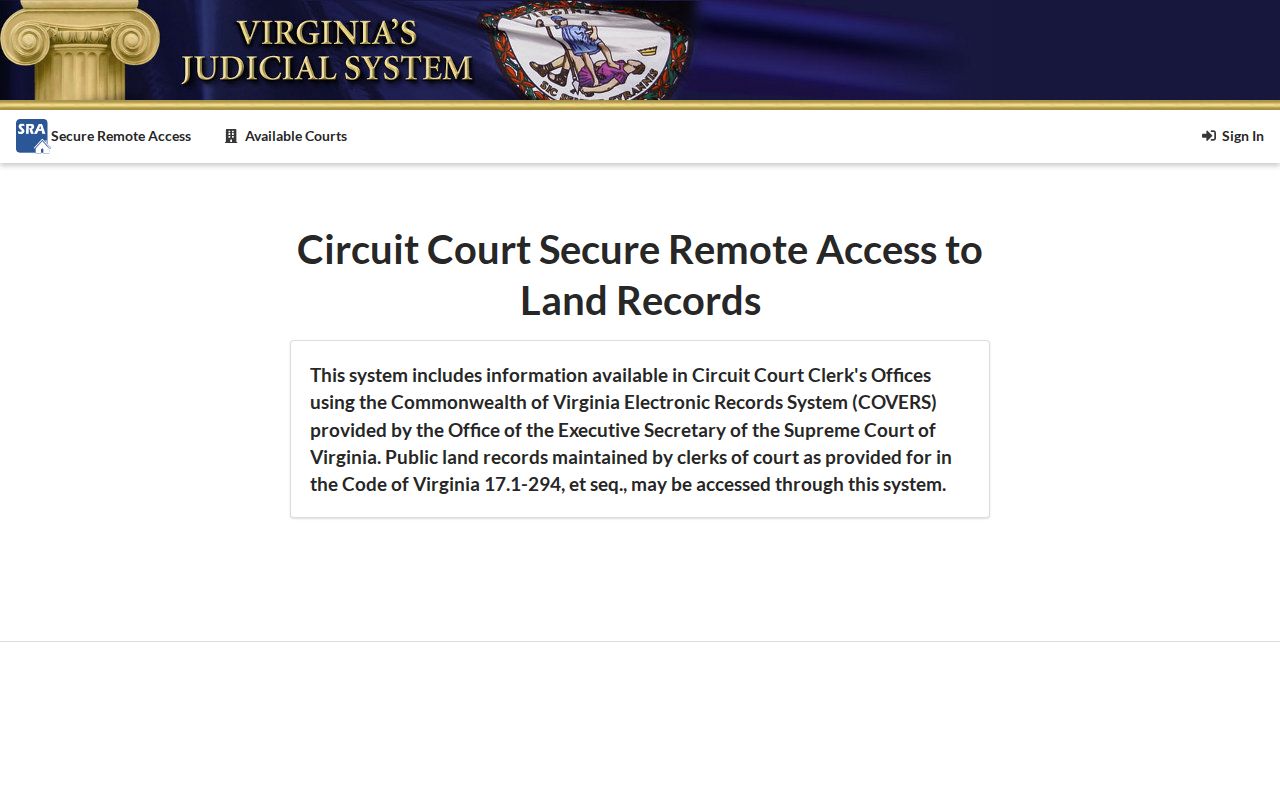
The SRA entry screen is a useful starting point for tying a person to a recorded document. Keep the party role, recording date, document type, book/page or instrument number, and legal description in the same research note before opening the next link in the chain.
- Use the assessor and GIS records to capture the exact map/parcel, situs address, and legal description for the property.
- In SRA, find the acquisition record for the current recorded party and record its grantee, grantor, date, document type, and book/page or instrument reference.
- Search the identified seller as grantee to find that person’s earlier acquisition of the same legal description.
- Repeat only when the parcel description and chronology agree, noting every transfer that involves a trust, estate, or organization.
- For the earliest city period, move to Library of Virginia deed microfilm and the clerk’s office rather than assuming a web result is complete.
- Grantor
- The party transferring an interest in a recorded document, often the seller in a deed.
- Grantee
- The party receiving that interest. A backward deed search often starts by finding this party’s acquisition.
- Chain of title
- The linked sequence of recorded conveyances for the same property, checked document by document.
- Legal description
- The land description in a deed, such as a lot, block, subdivision, or metes-and-bounds description. It is more durable than a street label.
Portsmouth Early City Records
Portsmouth became a city in 1858, and the early municipal record trail is divided between city-era deeds and archival holdings. The Library of Virginia’s Portsmouth microfilm inventory lists Deed Book 1 for 1858-1859, Book 2 for 1859-1865, Book 3 for 1865-1866, and Book 4 for 1866-1869. It also lists wills, fiduciary and guardianship series, marriage records, and early birth and death registers that can clarify family relationships around an address.
The Esther M. Wilson Memorial Room at Portsmouth Public Library adds books, documents, and microfilm to that fallback chain. Founded in 1963 as a non-circulating historical room, it holds local-history and genealogy material. Its Local History hours are listed as Tuesday and Wednesday, 10-4; library-card and remote database rules should be checked before a visit. A directory or microfilm finding does not settle title, but it can direct a deed or probate search toward the right surname and period.
See the Wilson Memorial Room before relying on a general web search for an older Portsmouth address.
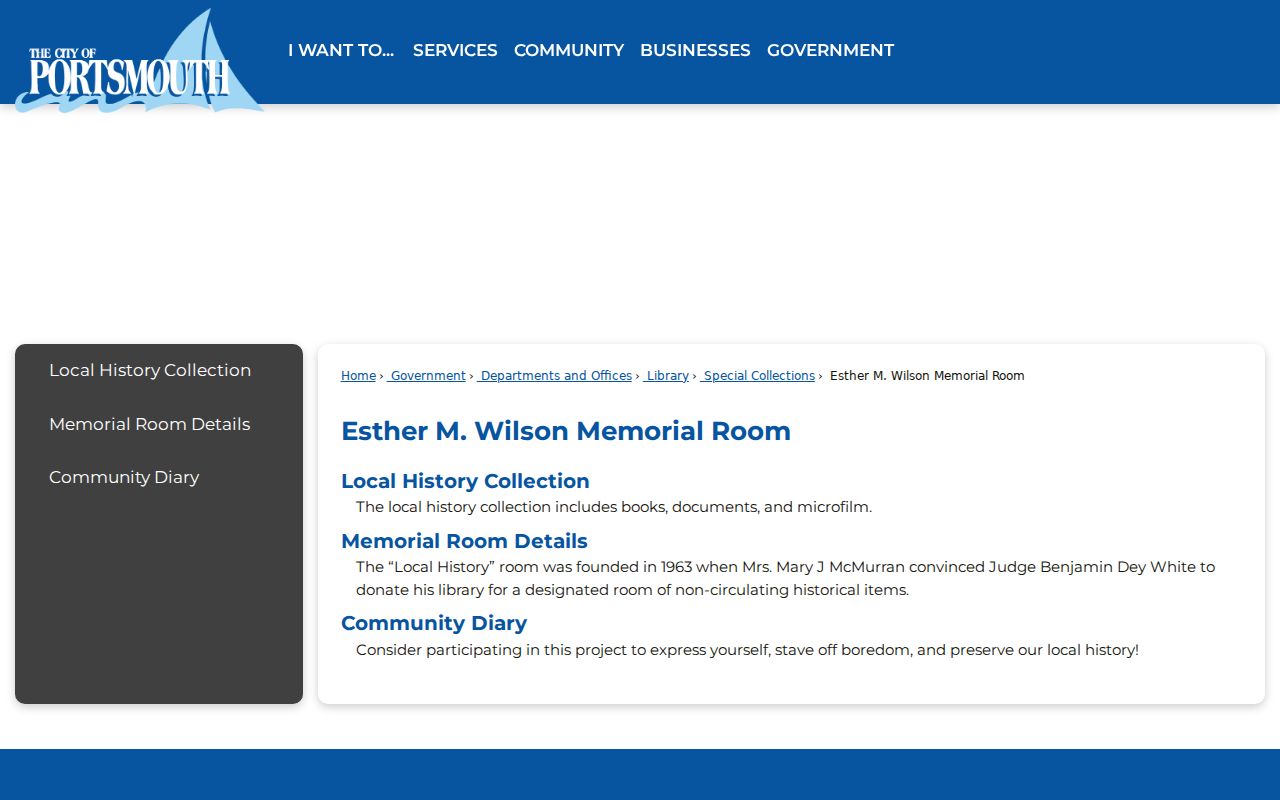
The room’s local-history holdings supply the in-person channel when an address trail reaches material that is neither indexed nor fully digitized. Preserve reel, book, page, and collection details so another record can be checked against the same source.
Portsmouth Previous Residents in Directory Years
For past residents, the reverse-street section is the quickest way to move from an address to an occupant clue. The digitized Portsmouth and Norfolk directory collection generally includes business advertisements, alphabetical people and business listings, a reverse street directory, and a business or local-government directory. Search the street number and street name, then use the alphabetical section to verify spelling or a related business entry. Record the publication year and page, not merely an OCR result.
The catalog shows Portsmouth-related runs for 1875-76, later nineteenth-century editions, 1913-1925, 1927-1928, and 1930-1931, while missing years remain unconfirmed. The Portsmouth Directory Book explains the historical collection in detail. Here, use the volumes as dated household evidence alongside a parcel trail, not as a replacement for a deed.
Open the 1882-83 Chataigne’s directory item to check the catalog record and period context.
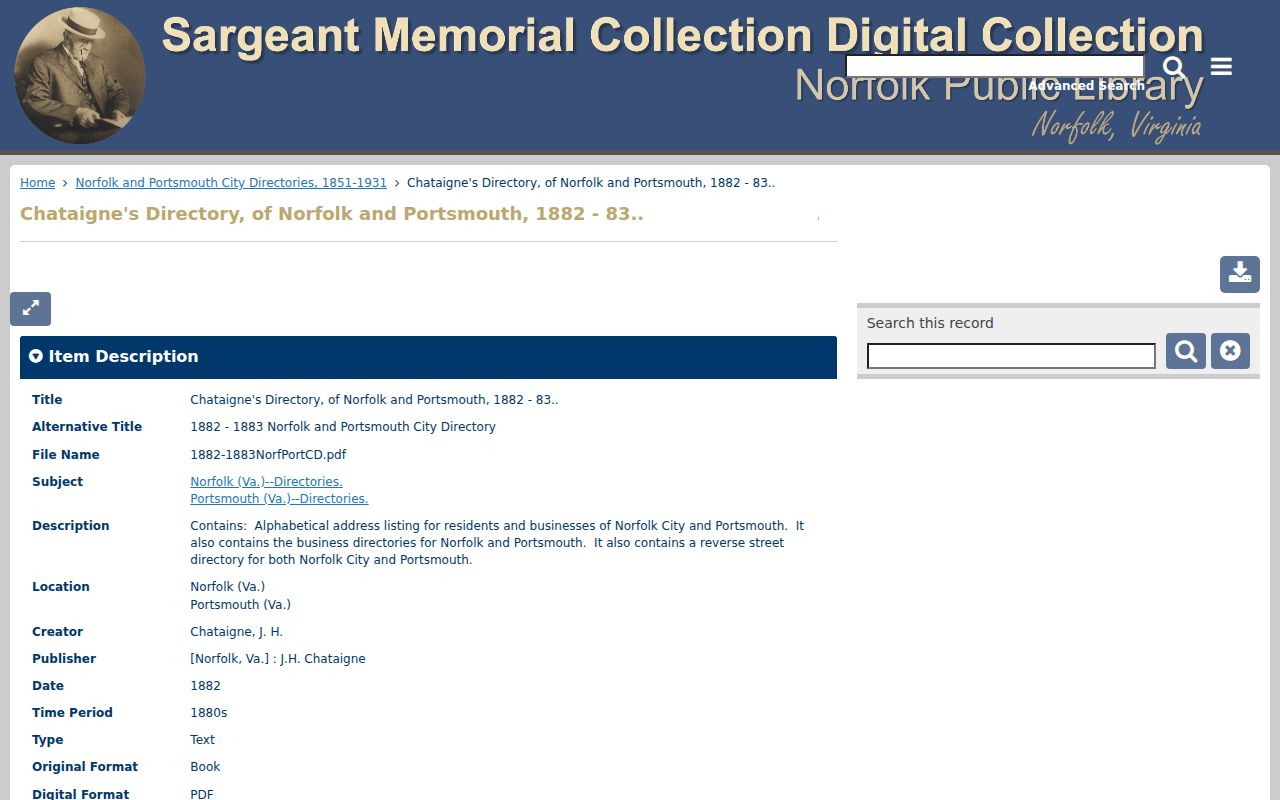
A directory line reports a person or business at an address for that edition. It does not prove the person held title, remained there after publication, or occupied every part of a property.
Note: A surname spelling, a street suffix, and a house number can change in a directory, so compare nearby editions before treating a gap as a move.
Pair Portsmouth Records With Census Clues
Directory and census evidence work best as a paired process. Start with the directory edition nearest the census year, copy the address and household spelling, then locate the appropriate census schedule under the correct locality label. Portsmouth’s status changed over time, and Norfolk County is extinct, so an earlier record may not be filed under the city name a modern searcher expects. Census maps and schedules need to be read with the independent-city history in mind.
- Choose a directory year that places a person or business at the address, and save the street line and page citation.
- Check the closest relevant census schedule using Portsmouth town, Portsmouth City, or the earlier Norfolk County context as appropriate.
- Compare names, ages, relationships, and the address or enumeration context without forcing a match from a name alone.
- Return to the deed chain and library microfilm when a household change coincides with a conveyance, estate, or guardianship record.
That workflow distinguishes a likely occupant from a recorded owner and gives family-history research a date-tested trail. It also leaves room for gaps, since the cataloged directory run is not continuous and the research does not document a Portsmouth-wide address renumbering.
Portsmouth Previous Residents on the 1893 Block
The November 1893 Portsmouth Sanborn set contains 18 sheets. Use it after identifying a historical address in a directory or deed. The sheets can place a street in its period layout, show building footprints and uses, and help interpret an abbreviated street line against the modern GIS view. It is a block-context tool, not a person index.
Historic districts need careful reading. Olde Towne and Downtown hold early urban fabric, Park View was annexed in 1894, and Cradock and Truxtun developed around 1918-1920. Those dates help choose a map or directory era; they do not prove an address change. No authoritative source reviewed here documents a citywide Portsmouth renumbering project.
Portsmouth Records Beyond the Deed
When a transfer leads to an estate, a family dispute, or an unclear land description, the historical trail can extend into chancery and probate records. The Library of Virginia Chancery Index reports Portsmouth City causes scanned from 1859-1932, with the bulk from 1859-1913 and originals for 1914-1951. Bills, depositions, exhibits, land descriptions, family names, and signatures can explain why a parcel appears in more than one person’s record.
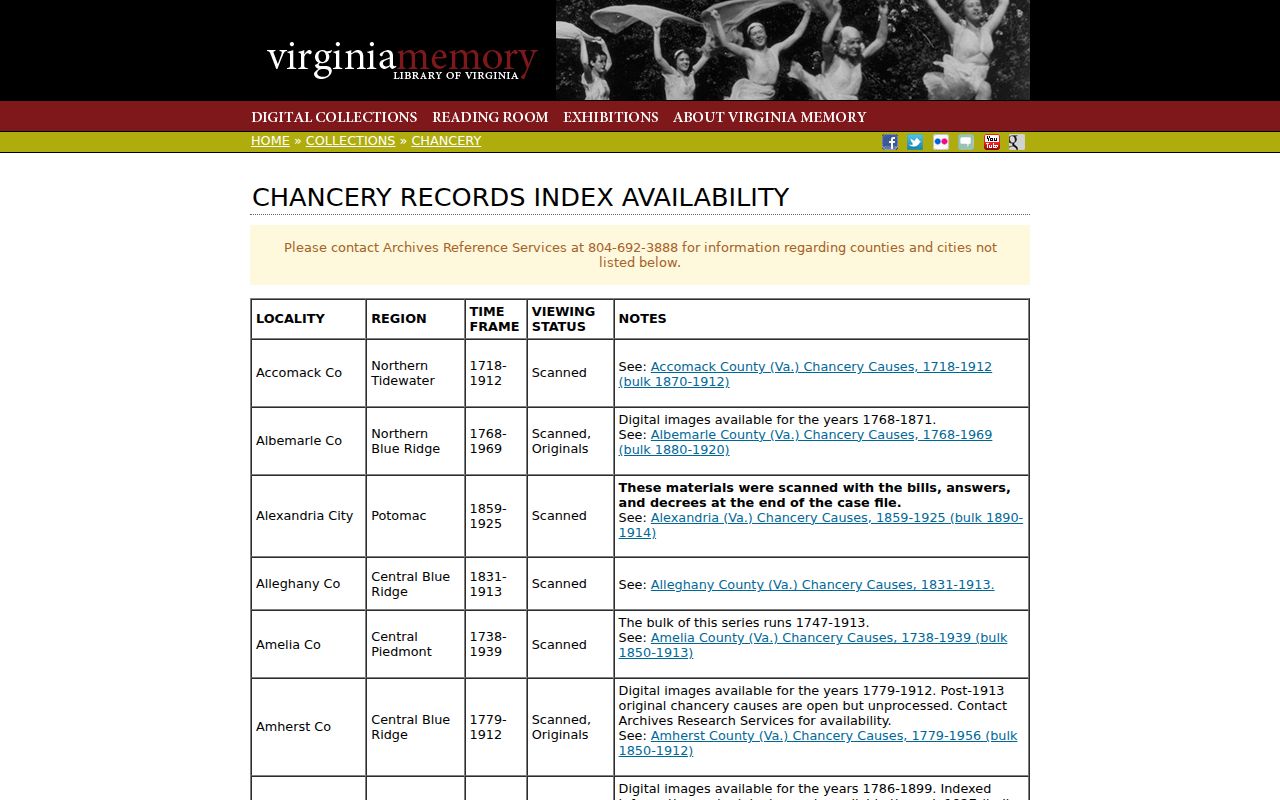
A chancery hit is a historical lead rather than a current-address result. Tie it back to the legal description, date, and parties in the deed chain before drawing a conclusion about the property.
Portsmouth Online Permit System can also search public permits by permit number or permit address and parcels by parcel number or property address. Its building, mechanical, electrical, plumbing, status, and inspection information may date work at a property. A permit applicant or contractor is not proof of every person who used the address, and the available research does not state a complete historical permit run.
Past Portsmouth Households and Lawful Research
Earlier Portsmouth households are best identified by a dated combination of sources: a matched legal description in deeds, a reverse-directory street line, and a census or archival household clue. Wills, fiduciary material, guardianship files, cemetery resources, and later probate records may show heirs or a final family connection, but no named local obituary index with a verified coverage range was found in the library material. Treat an unverified newspaper, cemetery, or family-tree result as a lead until the holding institution confirms it.
For a narrow city record that is not online, Portsmouth’s JustFOIA portal and the city’s other documented request channels can be used to ask for an existing, non-exempt parcel, permit, map, or retention record. Virginia FOIA does not require the city to create a list of past households, and protected information remains protected.
Lawful use. Research old Portsmouth households for house history, family history, estate questions, or civic curiosity. Do not use an address trail to track, threaten, or harass a living person.